The Journey of a Microplastic
Follow one tiny plastic particle and discover how it can travel from everyday products into our drinking water.
Start Journey⌄

Follow one tiny plastic particle and discover how it can travel from everyday products into our drinking water.
Start Journey
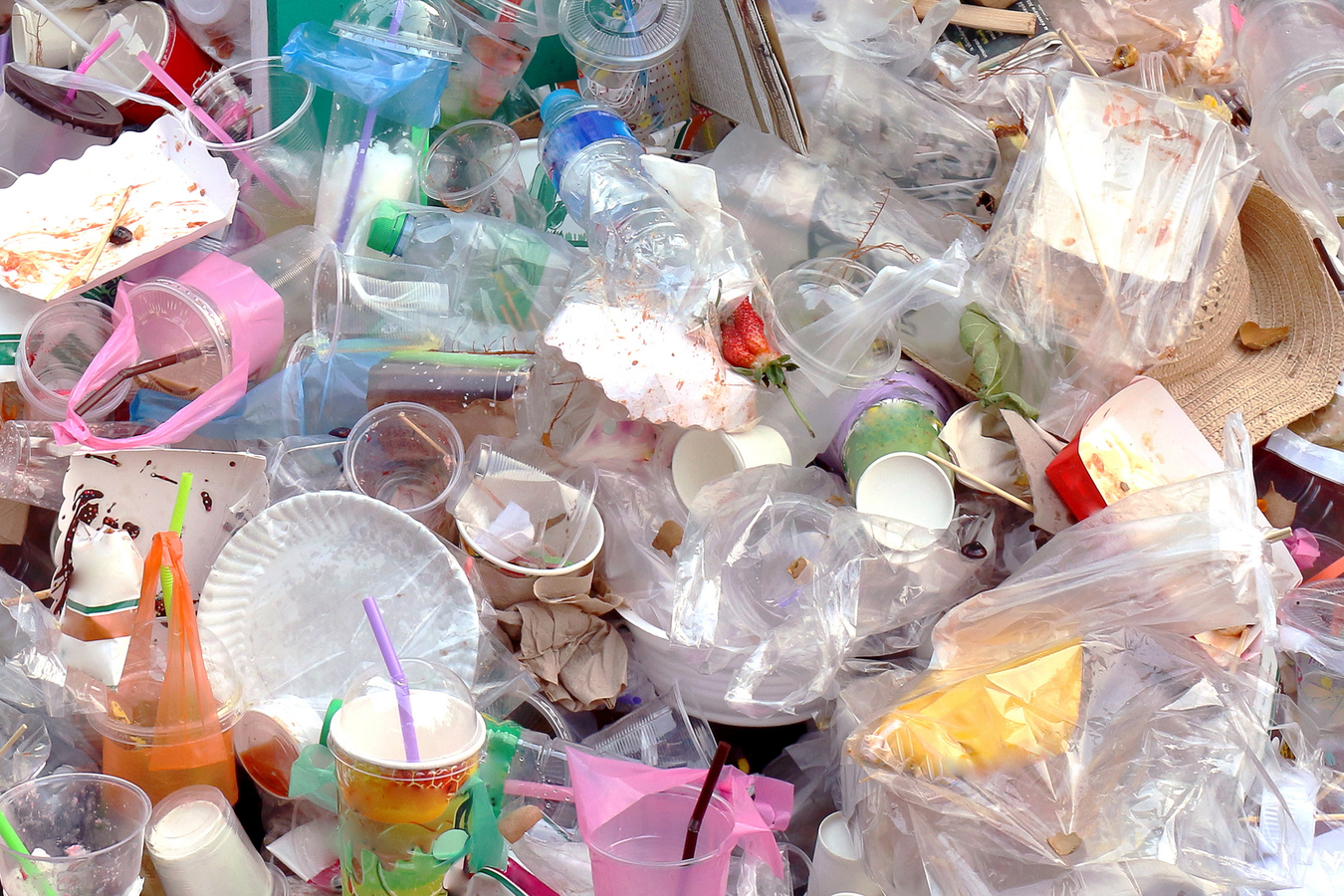
Many everyday plastic products — bottles, food packaging, shopping bags, and synthetic clothing — slowly wear down over time due to sunlight, weather, friction, and repeated use.
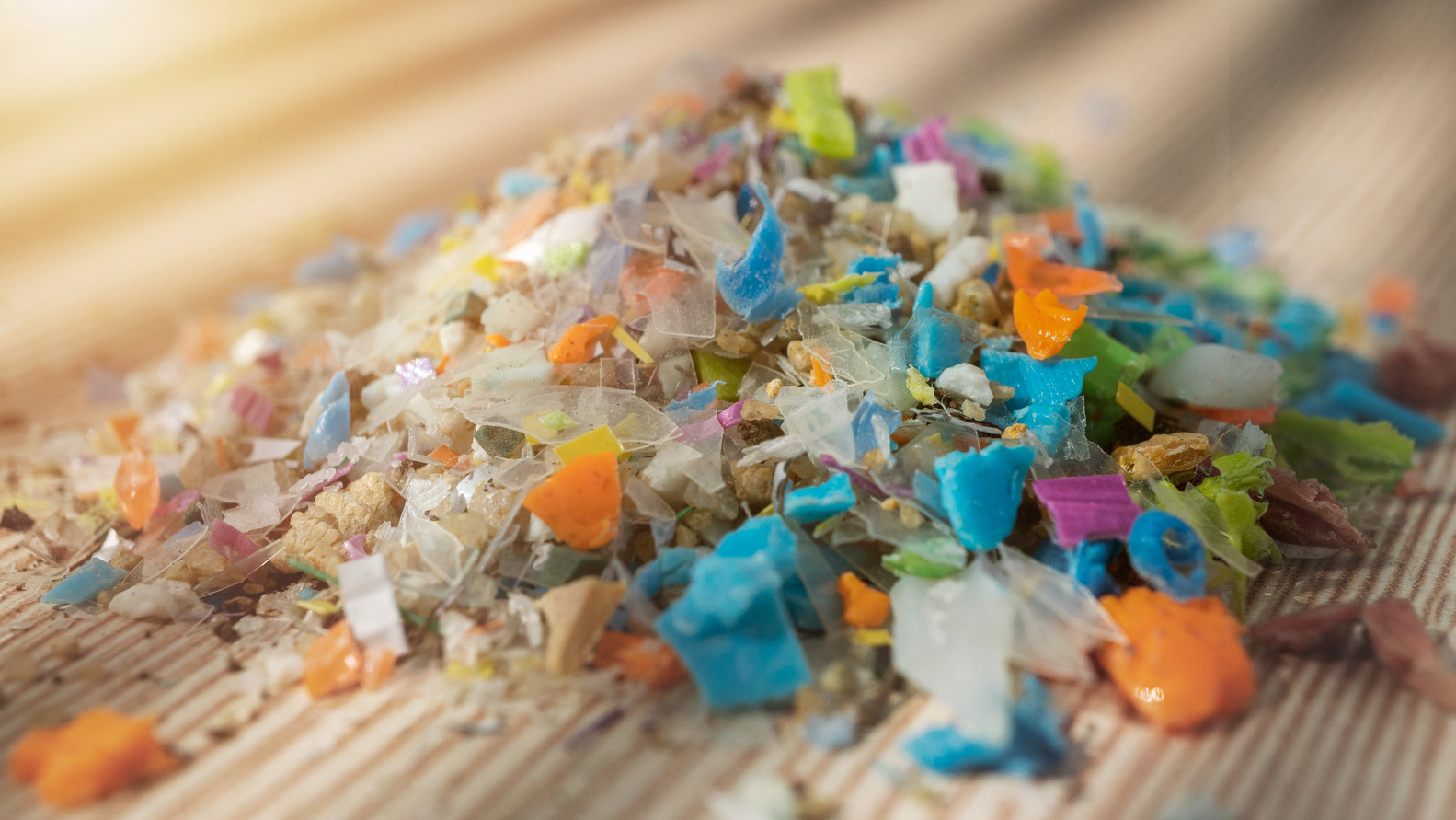
Heat, sunlight, and weather gradually break larger plastics into tiny pieces called microplastics — small enough to escape into the environment unnoticed.
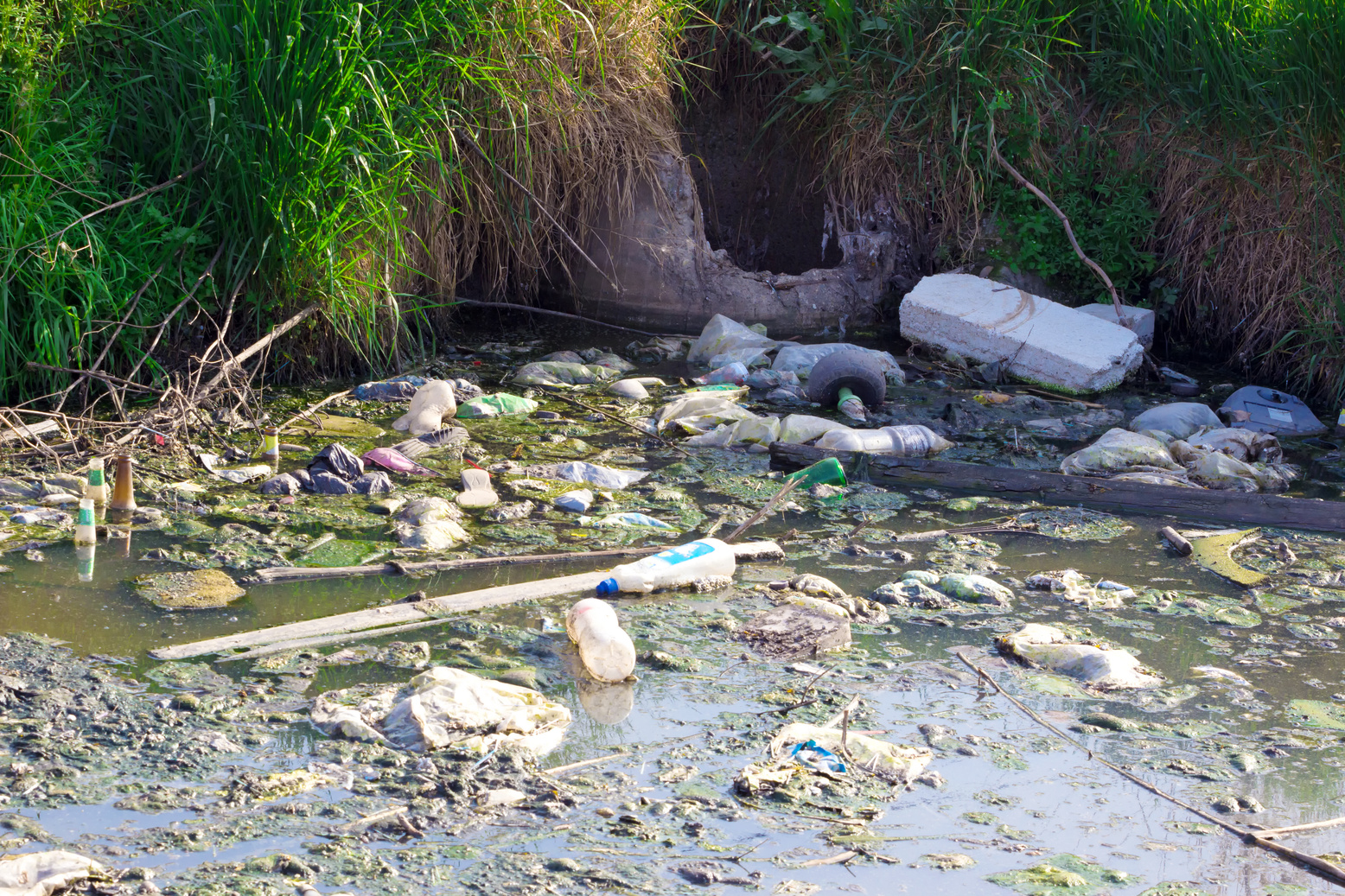
Rainwater carries tiny plastic particles across sidewalks and streets into storm drains that often lead straight to rivers and streams.
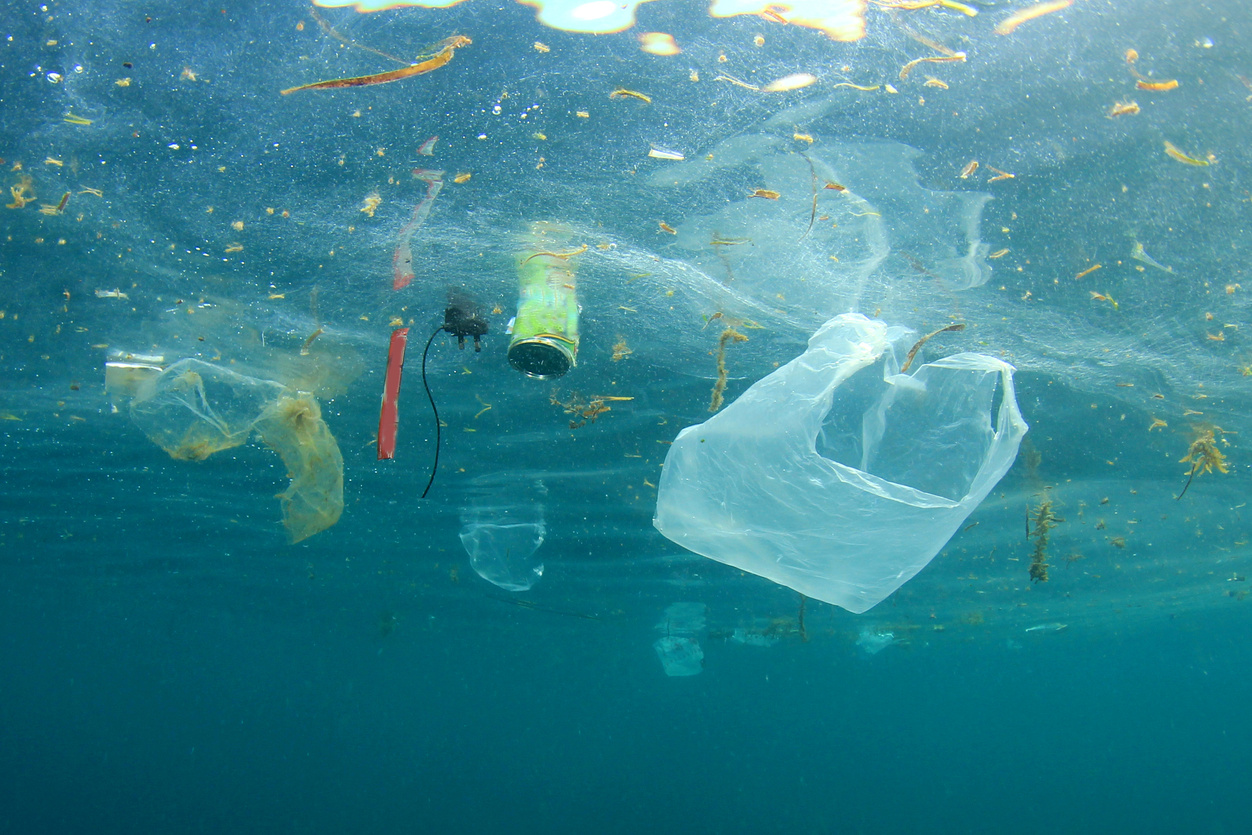
Microplastics continue moving through rivers and lakes while mixing with natural ecosystems — fish, plants, and other wildlife along the way.
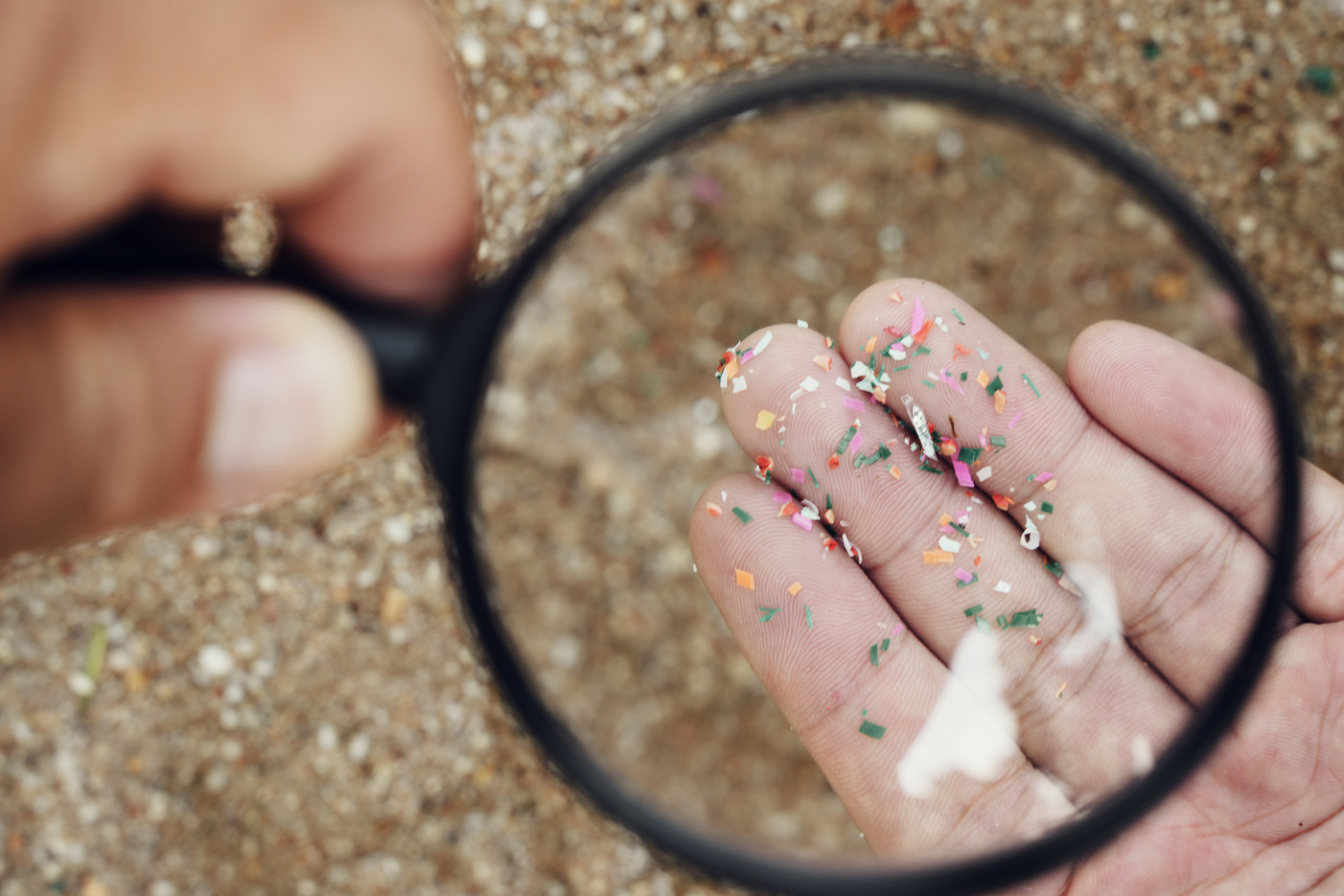
Water treatment plants remove many contaminants, but some very small microplastic particles may remain depending on the treatment methods used.
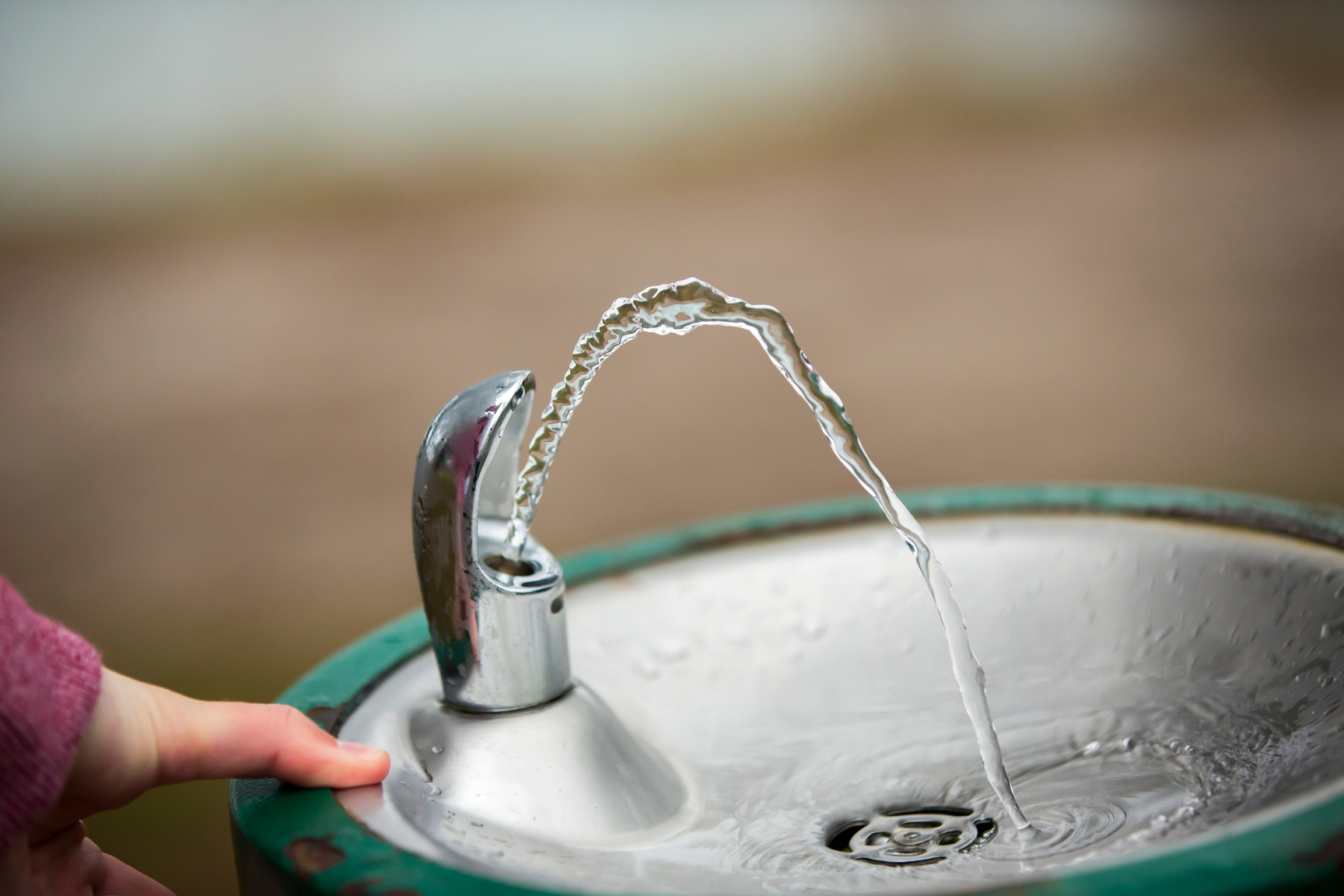
Treated water reaches schools through underground pipes and is available at drinking fountains and bottle filling stations.
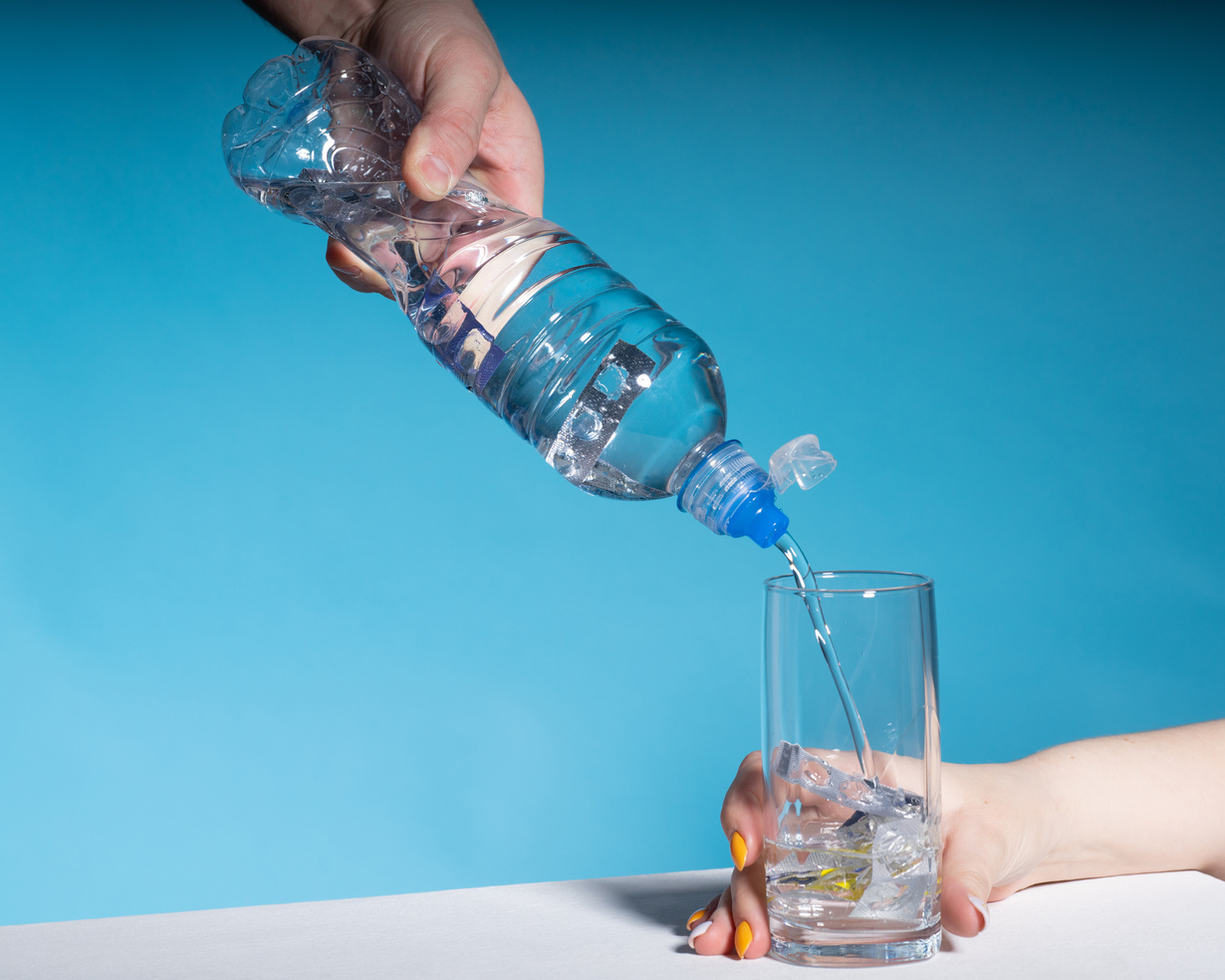
Learning about microplastics helps us make informed choices, reduce plastic pollution, and support cleaner drinking water for everyone.
Understanding the journey of microplastics is the first step toward protecting cleaner water for future generations.